DAU Candy
Research
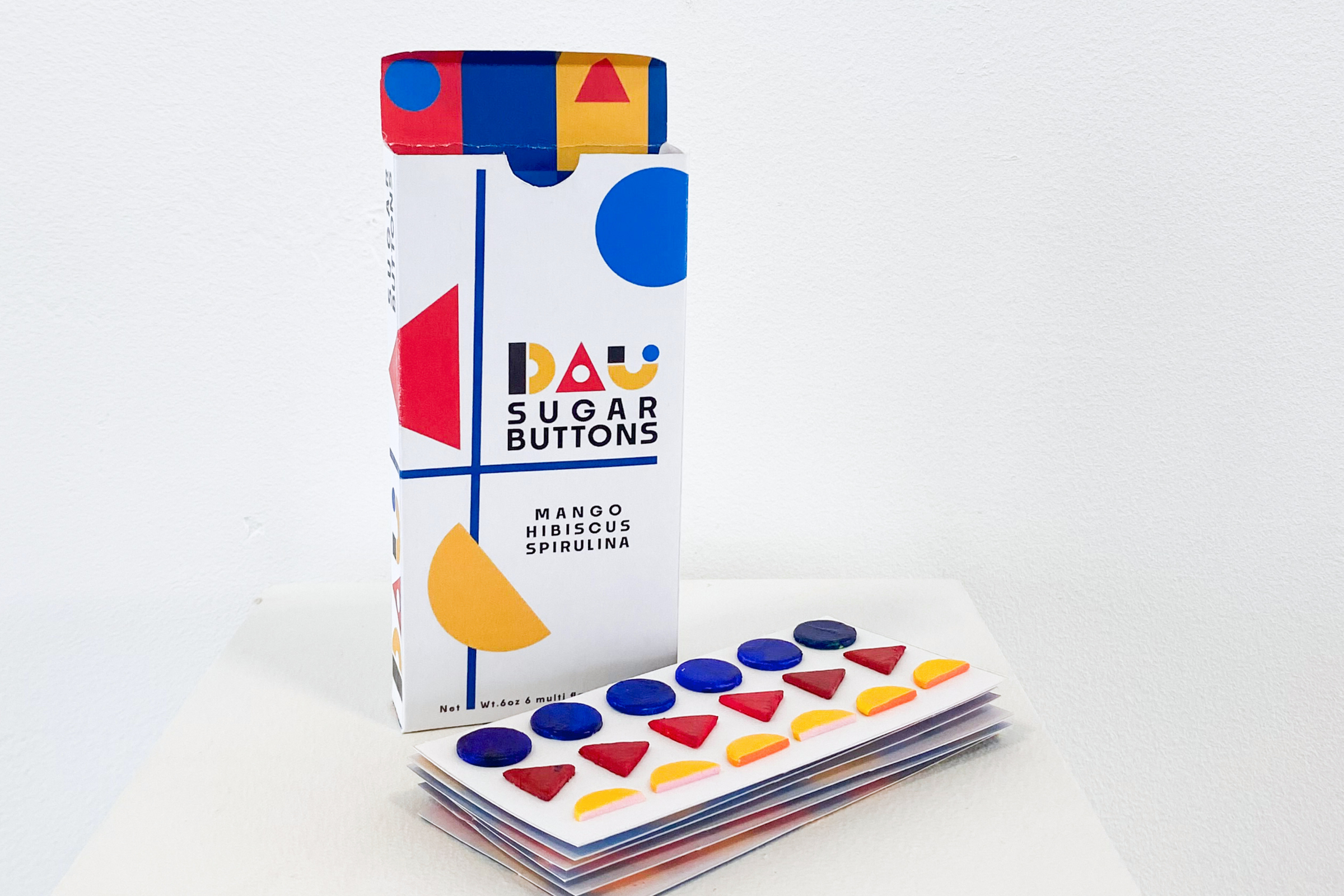
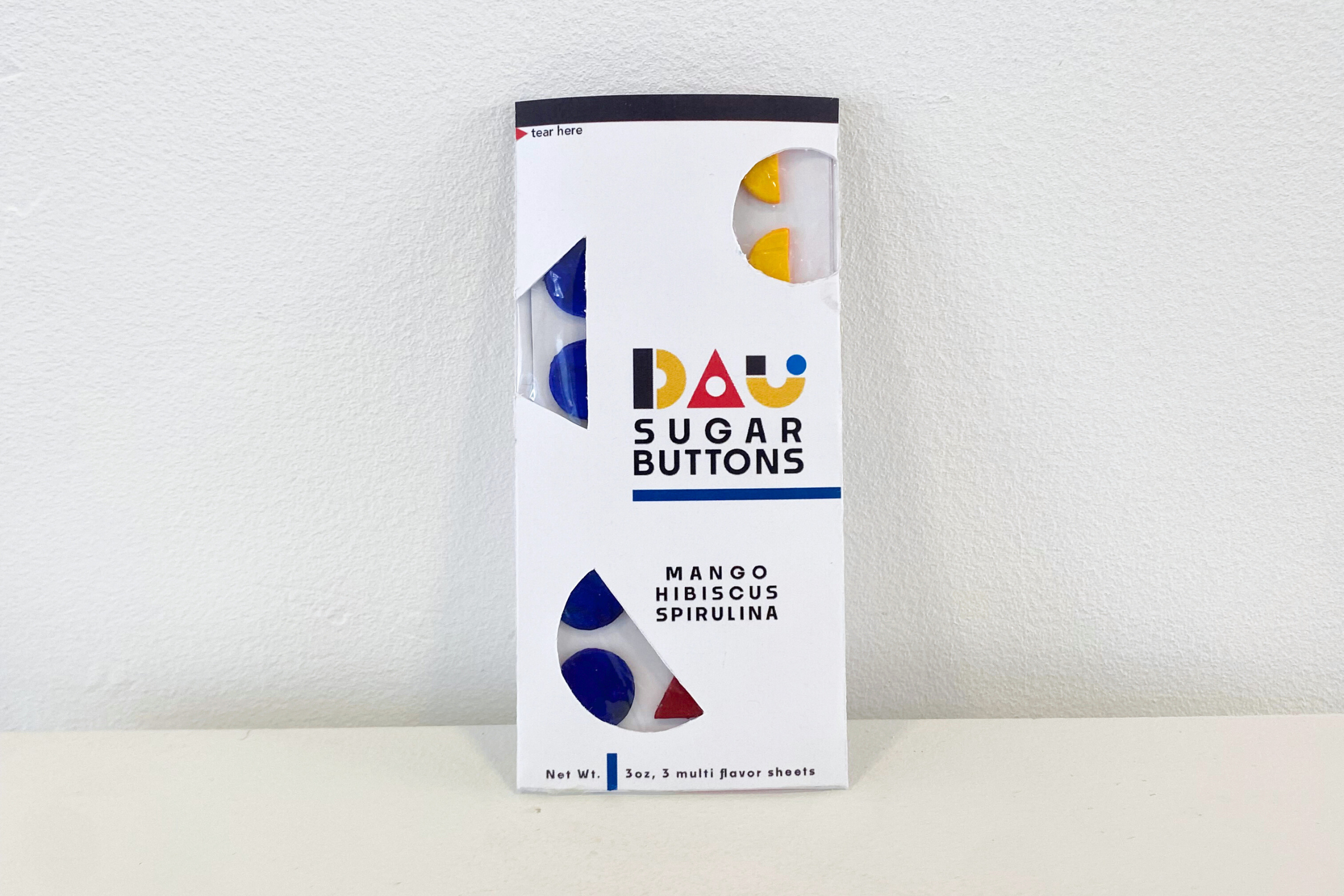
Designing Dau was an exercise in precision, creativity, and adaptability. Developed as a personal project for a UCLA course, this concept reimagined candy packaging through the lens of Bauhaus design principles. The name itself, a play on words, fuses the “au” from Bauhaus with Dots, a candy that naturally embodies the movement’s love for geometric simplicity. The challenge was clear: how could Bauhaus, often associated with rigid structure and modernist discipline, be transformed into something playful and engaging for today’s candy market?
Prototype
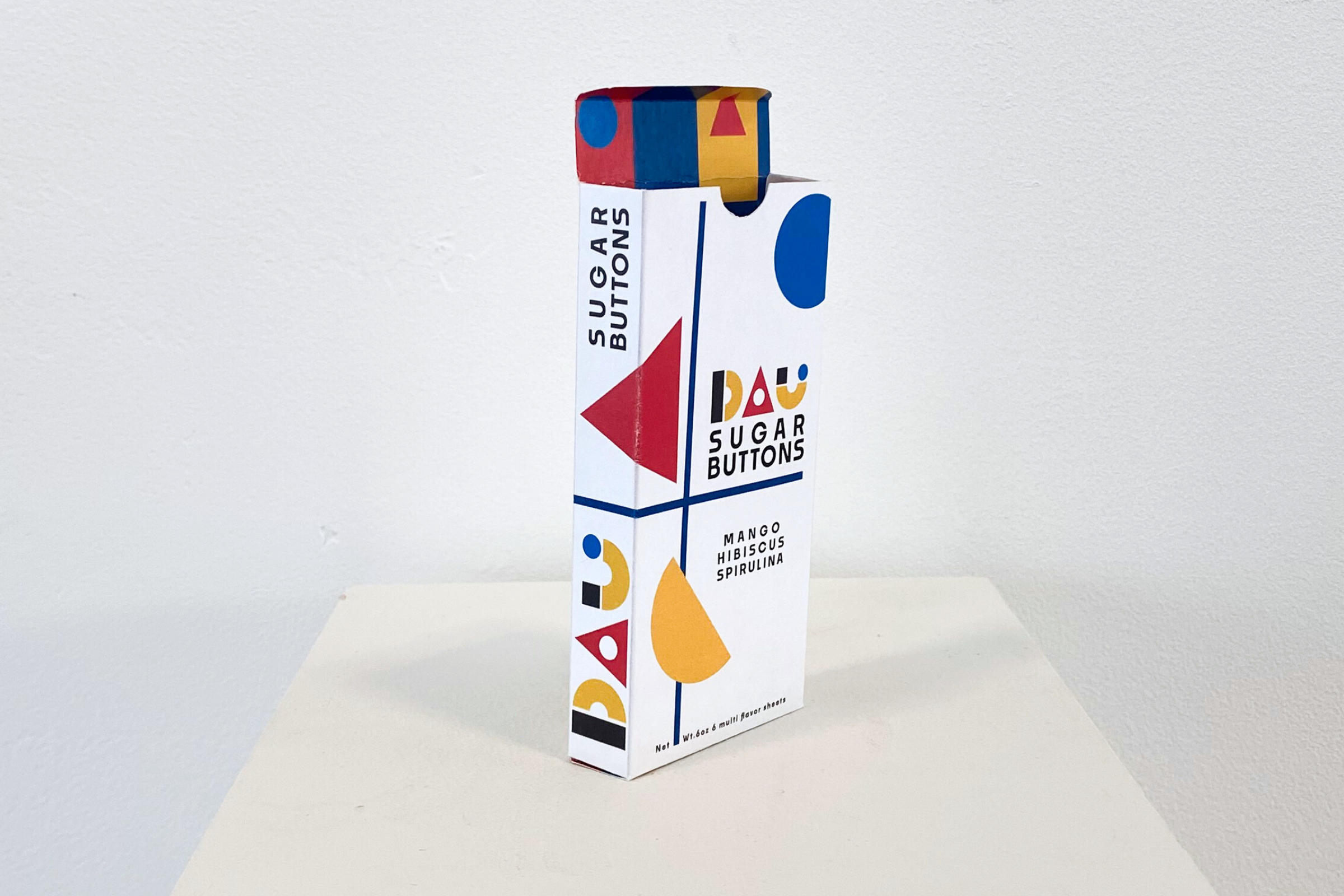
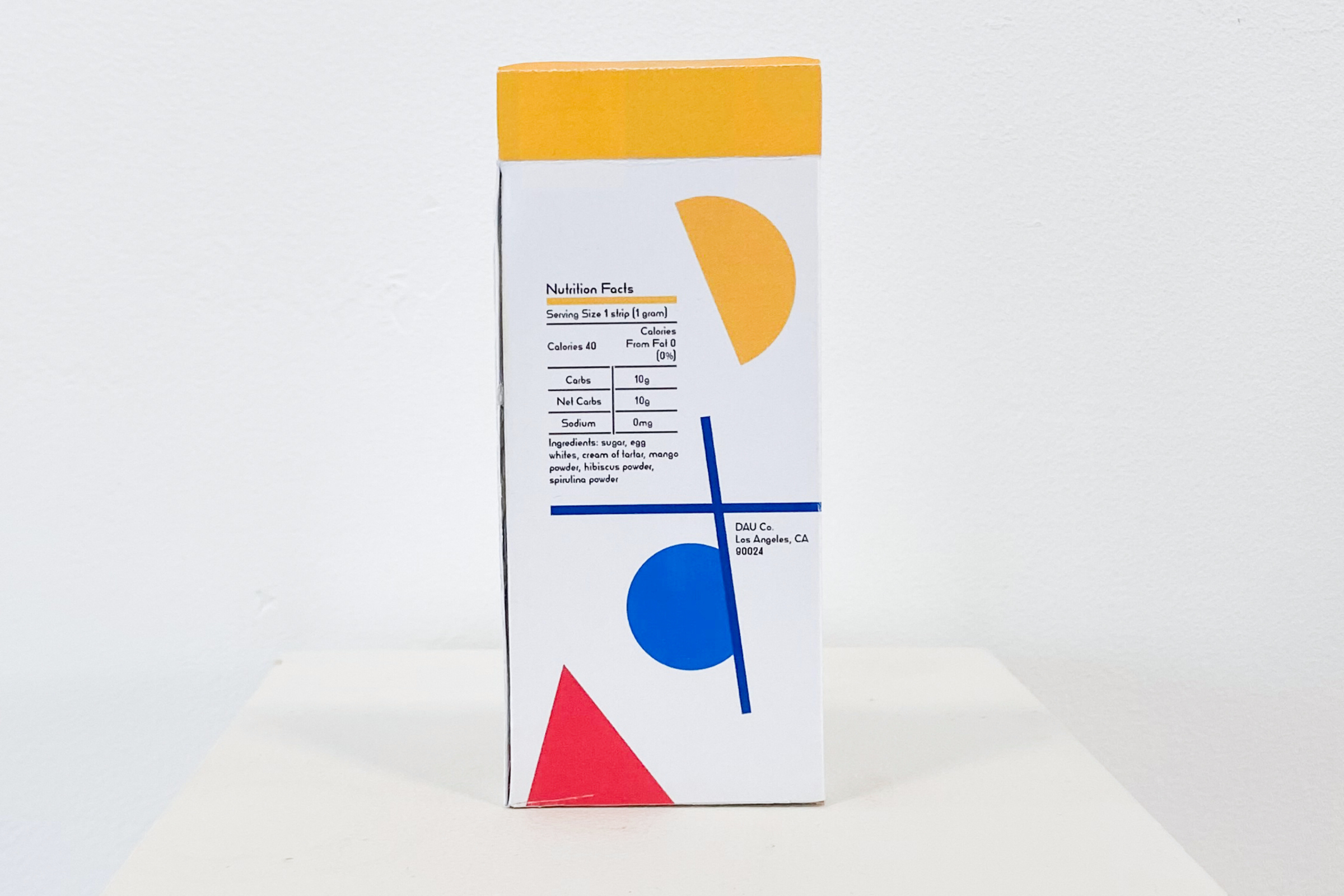
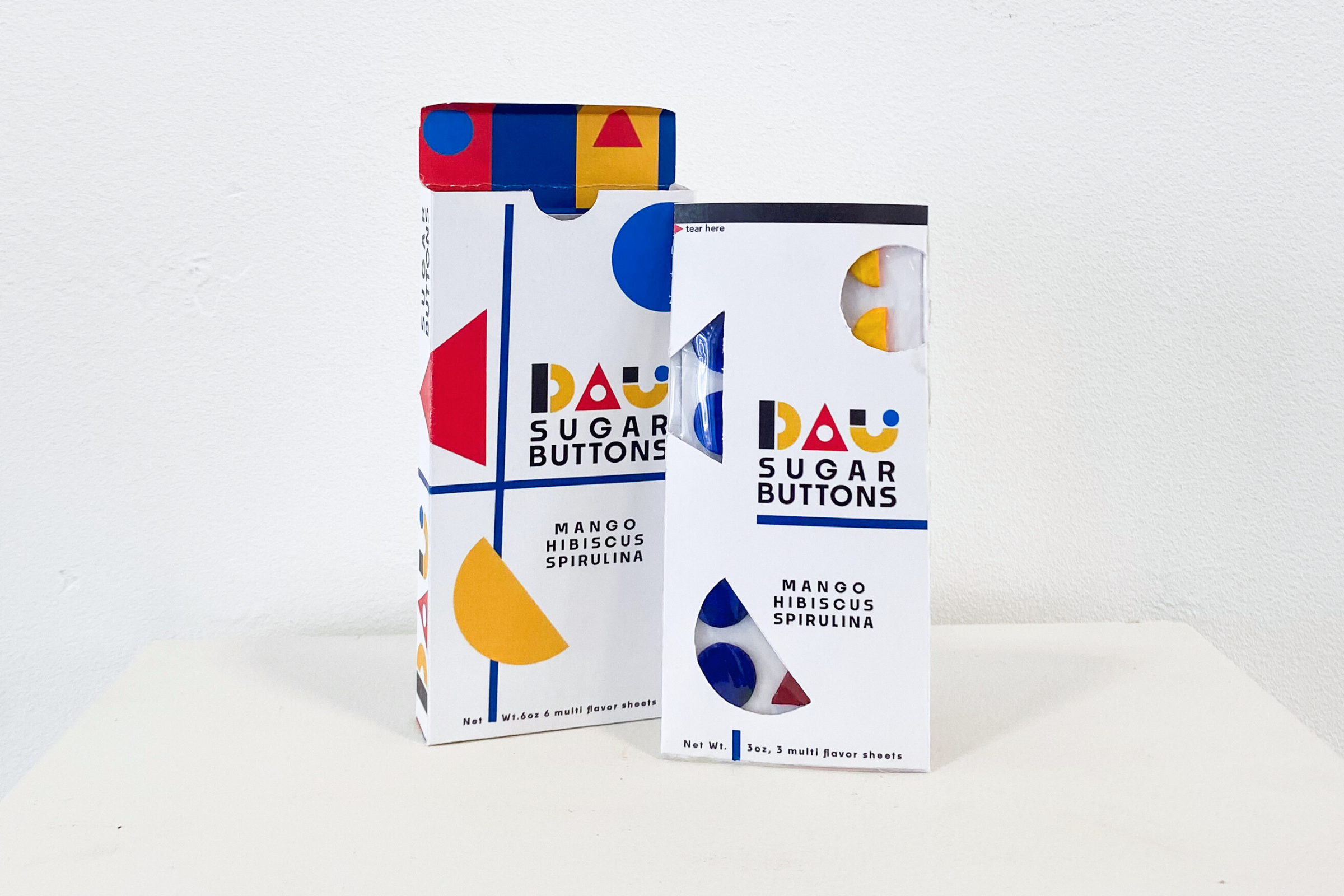
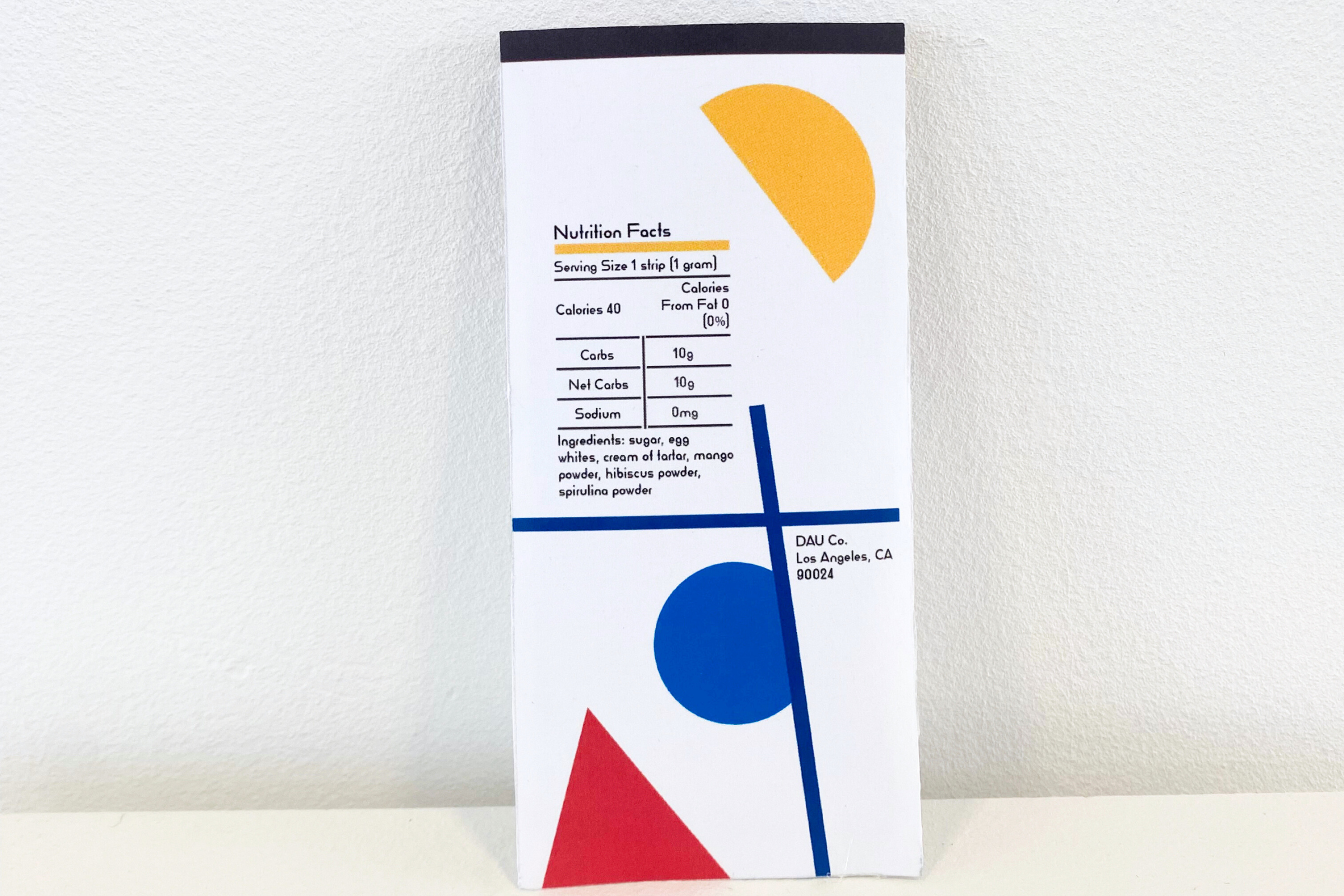
Prototyping involved extensive iteration, exploring multiple layout options for both single and multi-pack designs. Typography played a crucial role, requiring a typeface that felt modern while maintaining Bauhaus authenticity. Color theory was meticulously applied, leveraging red, yellow, and blue in a way that felt deliberate yet dynamic, rather than predictable. Asymmetry became the key to unlocking a sense of playfulness; the intentional misalignment of elements guided the eye naturally across the design, creating rhythm, excitement, and a sense of movement.
Solution
The final solution achieved a seamless fusion of Bauhaus precision and contemporary playfulness. Every aspect of the packaging—composition, color, form, and type—was refined to perfection. The structure remained true to the Bauhaus movement, yet the design exuded energy and modern appeal, ensuring that Dau could confidently stand out on store shelves. The balance between historical reverence and market relevance resulted in a design that was both intellectually satisfying and visually irresistible.
Results
This project was a testament to the power of thoughtful design evolution. It proved that even the most structured aesthetic movements could be adapted to new contexts without losing their essence. The final outcome was more than just a candy package—it was an exploration of how design history can be reshaped, reinterpreted, and refined for the future.