TM

Construction

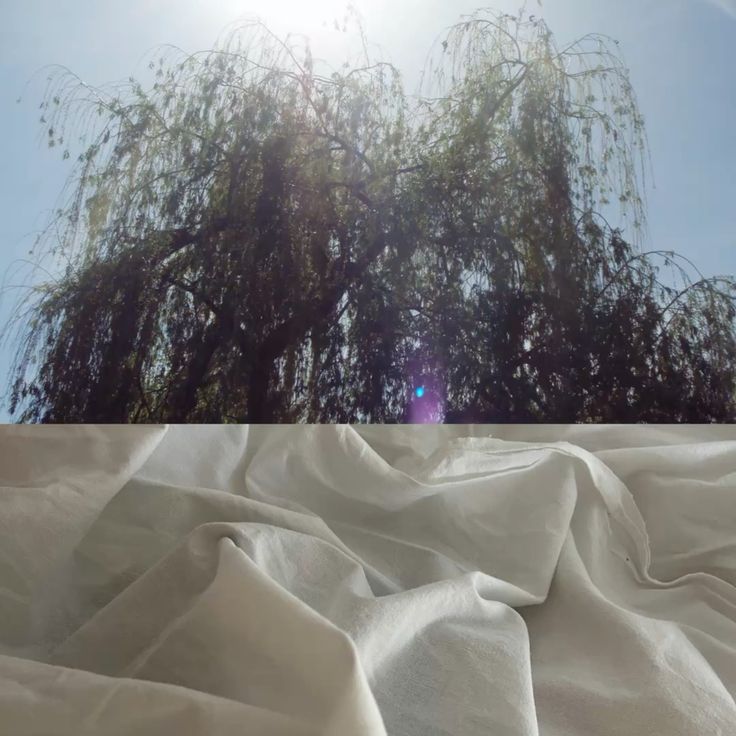
"Artists, poets, whatever you want to call those people whose job is “making” take in the commonplace and are forever recognizing it as worthwhile. Makers—artists, designers, cooks, seamstresses, whoever we call those whose work is making—move through the world collecting meaning. Craft asks us to notice what has been handed down: gestures, textures, flavors, techniques. Through careful hands, the ordinary becomes a record of where we come from."

I think I am always collecting in a way, walking down a street with my eyes open, looking through a magazine, viewing a movie, visiting a museum or grocery store. Some of the things I collect are tangible and mount into piles of many layers and when the time comes to use those saved images I dig like an archaeologist and sometimes find what I want and sometimes don’t.

My designs are deeply rooted in nostalgia with quiet memories of my childhood layered into each garment, highlighting within each seam the values that came with growing up in a traditional Vietnamese household. Fashion, for me, is a way of expressing myself as someone who grew up being “too shy and quiet.”
—TM
01
02
03
01
02
03
TM

Craftsmanship is everything to me. I take pride in the precision and care that goes into every single piece. The attention to detail doesn’t stop at what you can see — the inside of a garment matters just as much as the outside.

I approach construction as a quiet conversation between material and maker. Each seam records time, attention, and patience. In this way, garments become more than objects; they hold memory.

Growing up in a Vietnamese household, structure and discipline were constant presences in everyday life. Many traditions were inherited without question—small gestures, expectations of behavior, and ways of moving through the world that had been passed down across generations. For much of my childhood, I understood creativity not as something loud or disruptive, but as something subtle: a space where rules could bend just enough to allow personal expression.

In this environment, I learned early on how to find creativity within constraint. Whether it was through crochet, sewing, or simply experimenting with materials at home, craft became a quiet language through which I could explore individuality while still remaining rooted in tradition. Those early experiences taught me that tradition and innovation are not opposites. Instead, they exist in conversation with one another. The act of making becomes a bridge between past and present.

Fashion, for me, is not just about aesthetics or surface beauty. It is about memory—about the subtle accumulation of experiences, cultural values, and emotional histories that shape how a person moves through the world. My designs are deeply rooted in nostalgia, drawing from quiet memories of childhood layered with the values that came from growing up in a traditional Vietnamese household. These memories do not always appear directly in the garments themselves; instead, they exist in the atmosphere surrounding them—in the way fabric moves, in the delicacy of construction, or in the careful balance between softness and structure.

I have always been drawn to the quiet side of fashion: garments that speak softly rather than loudly. As someone who grew up being described as “too shy and quiet,” I became interested in the idea that clothing could express emotions that words sometimes cannot. Garments become a medium through which vulnerability, softness, and introspection can be communicated.

Craft
Construction
Fabrication
Production
Formation
Assembly
​​

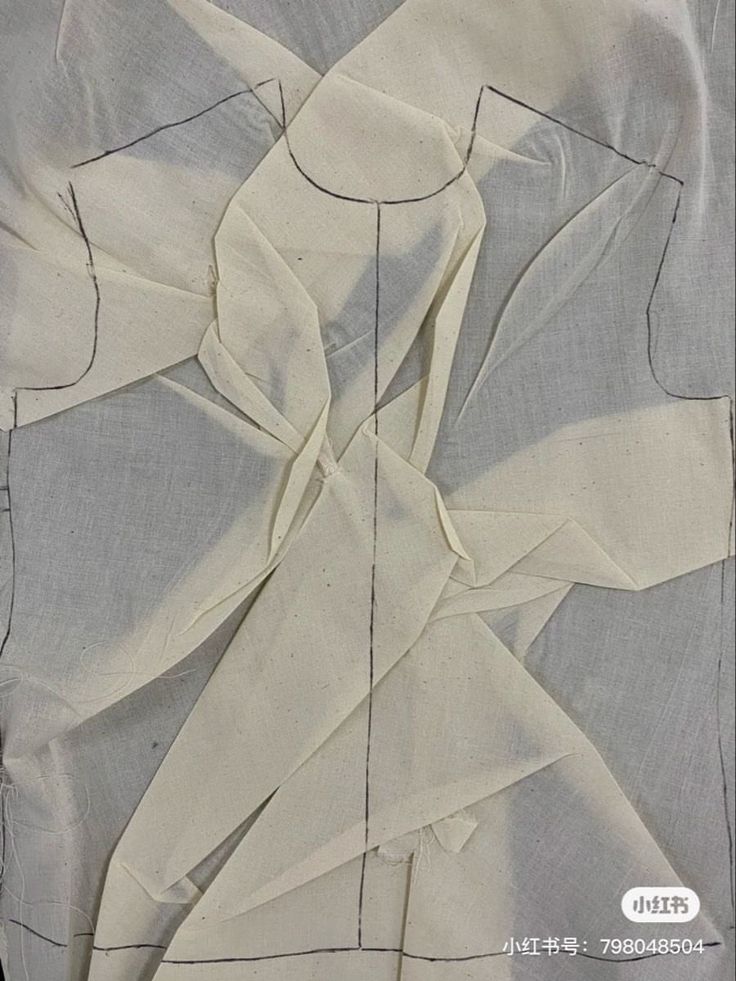
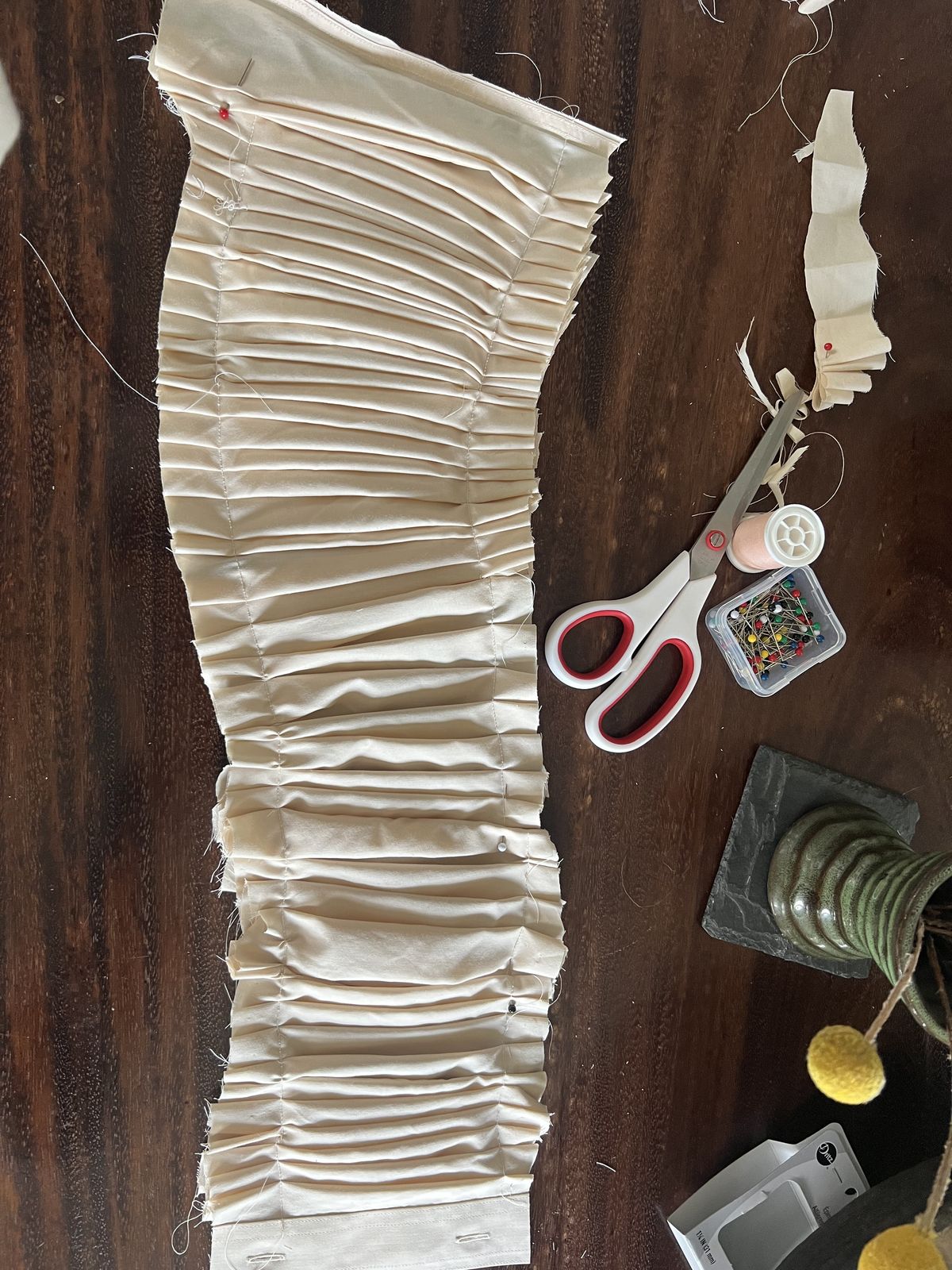
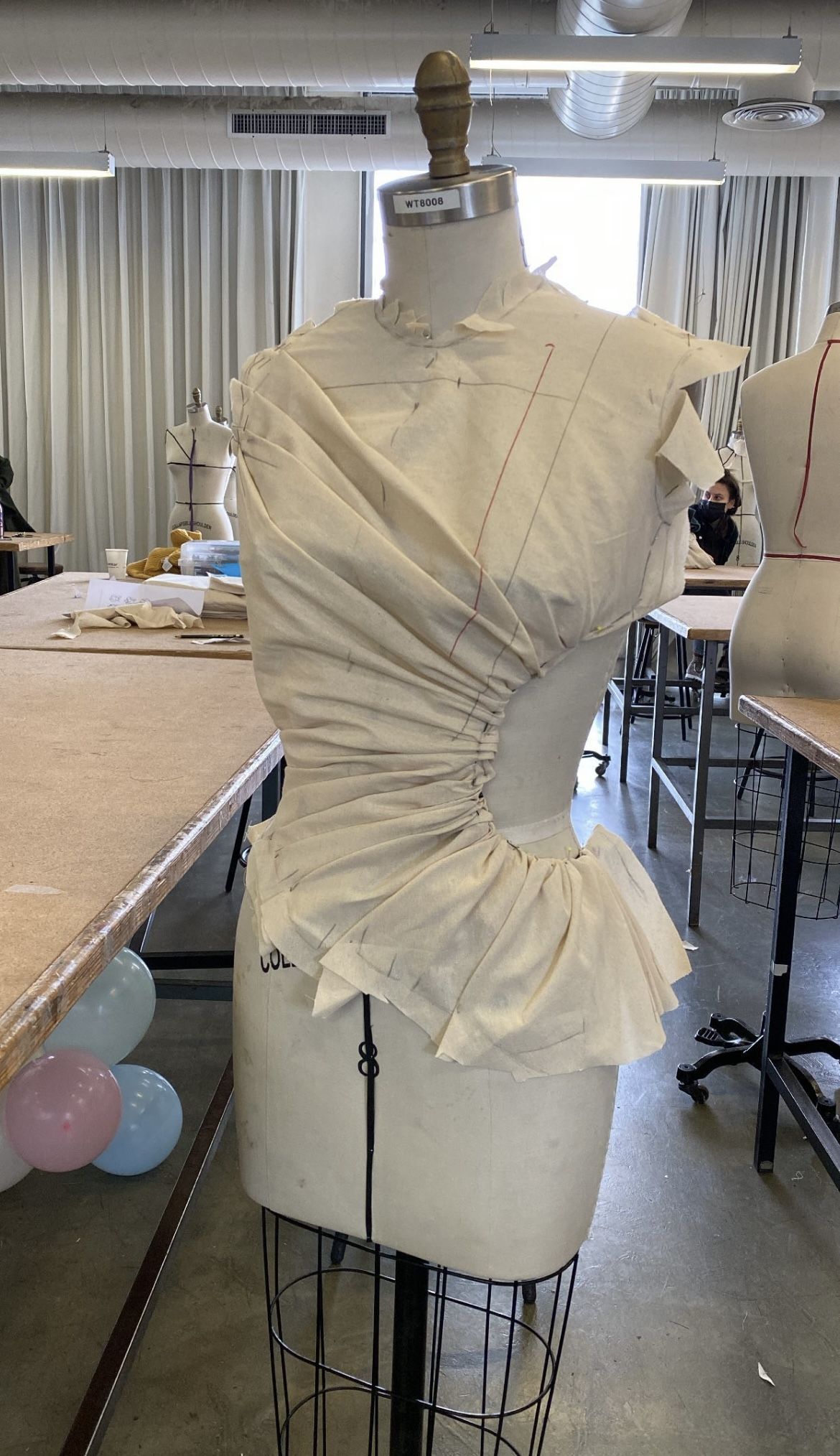
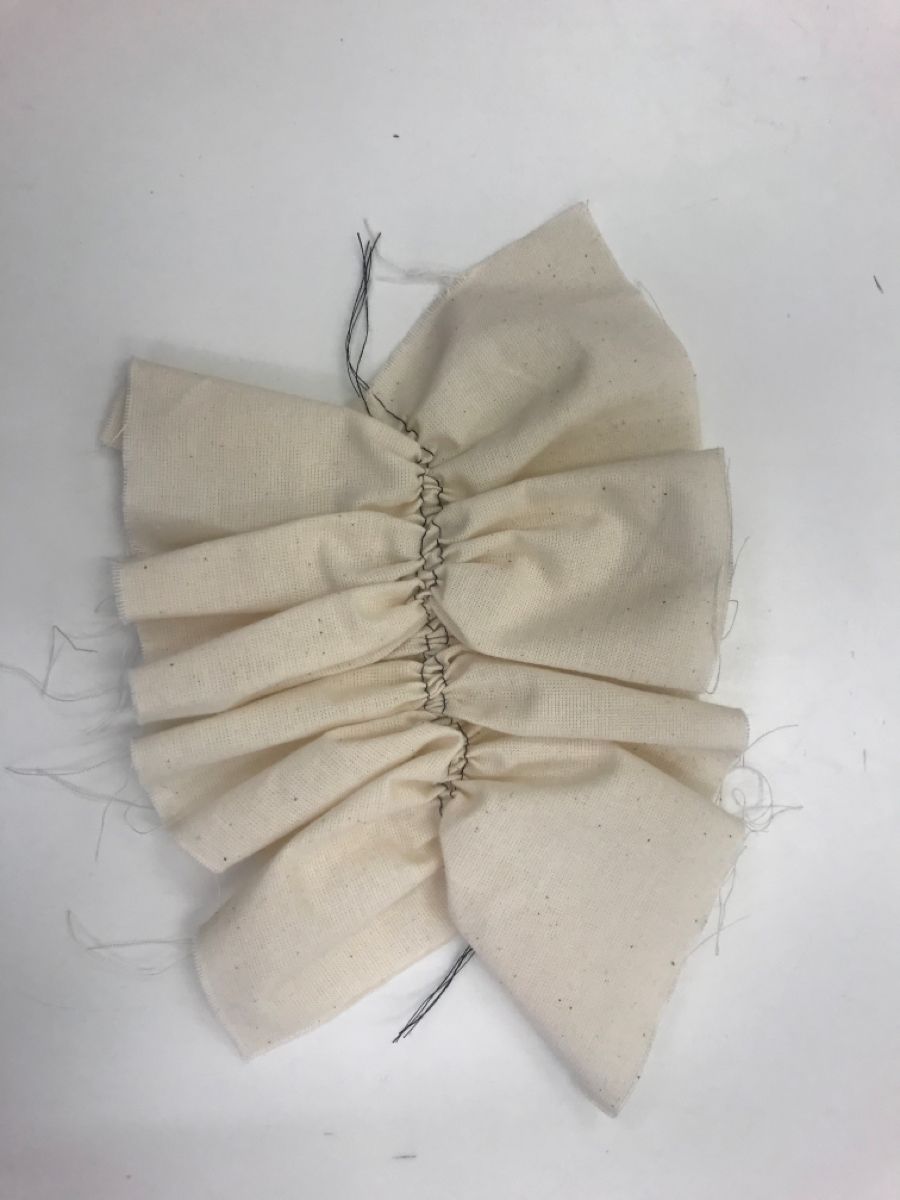
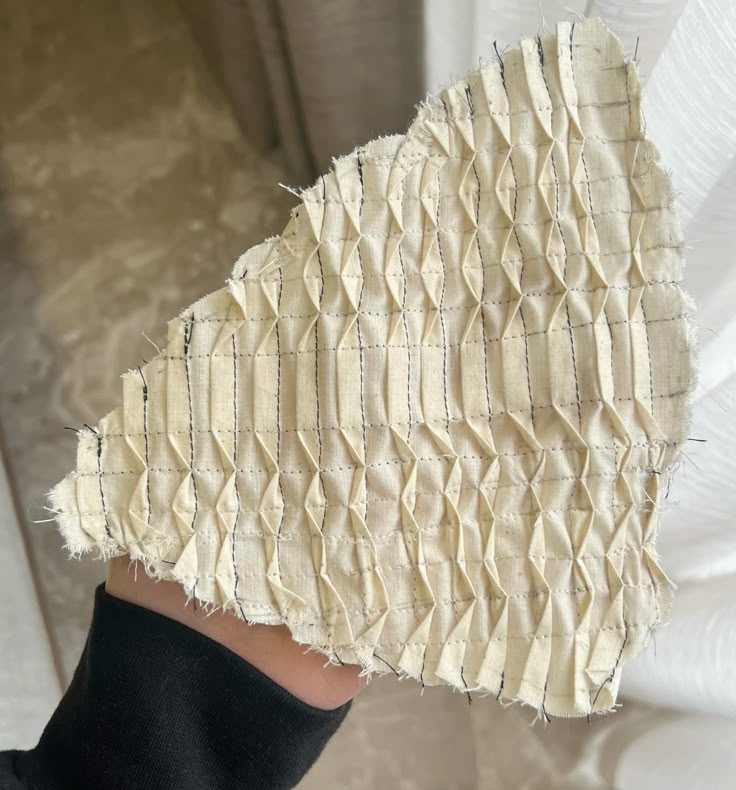
Ultimately, the act of making a garment is a deeply personal process. Every stitch, fold, and seam carries the quiet accumulation of time and attention invested in its creation. Through construction, I am not only shaping fabric but also translating memory into form. Through manipulation my work embodies the gestures and tensions of a stitch, the patience of pleating, the careful alignment of structure and movement.

In this way, garments become more than objects meant to be worn. They become records of process and intention. The internal architecture of a piece—its seams, linings, and hidden supports—holds as much meaning as the visible exterior. For me, craftsmanship is not simply about technical skill; it is about respect for the material and for the time required to shape it thoughtfully.

In an era defined by speed and mass production, I find meaning in slowing down the act of making. Working slowly allows space for experimentation, reflection, and care. Each garment evolves gradually, responding to the material rather than forcing it into predetermined forms. Through this dialogue between hand and fabric, construction becomes an act of discovery.

In my work, craftsmanship becomes a form of respect: respect for the material, respect for the wearer, and respect for the tradition of making. Every custom order I produce features fully finished seams and carefully constructed interiors designed to last for generations. You will never find a serged edge or an unfinished seam in my garments. The interior structure of each piece is treated with the same care as the visible exterior.

TRANSPARENCY

The use of
What is visible carries the story of how it was made.

Each garment becomes a record of labor—of hands working slowly and deliberately to shape material into something meaningful. This relationship between labor and beauty is central to my work. The beauty of the garment emerges not only from its appearance, but from the care embedded within its construction­—to see beneath requires intentionality at every scale.

Transparency renders an approach to care.

In an era where fast fashion encourages disposability, I am interested in creating garments that invite longevity—objects that are meant to be cared for, preserved, and remembered. Rather than existing as fleeting trends, these pieces are designed to accumulate meaning over time, bearing the subtle traces of wear, memory, and personal attachment. I approach clothing as something closer to an heirloom than a commodity: an object that accompanies a life, adapting to the rhythms of the person who wears it. Through careful construction and attention to material, I aim to produce garments that resist the culture of constant replacement and instead encourage a slower relationship with fashion—one grounded in care, patience, and lasting value.

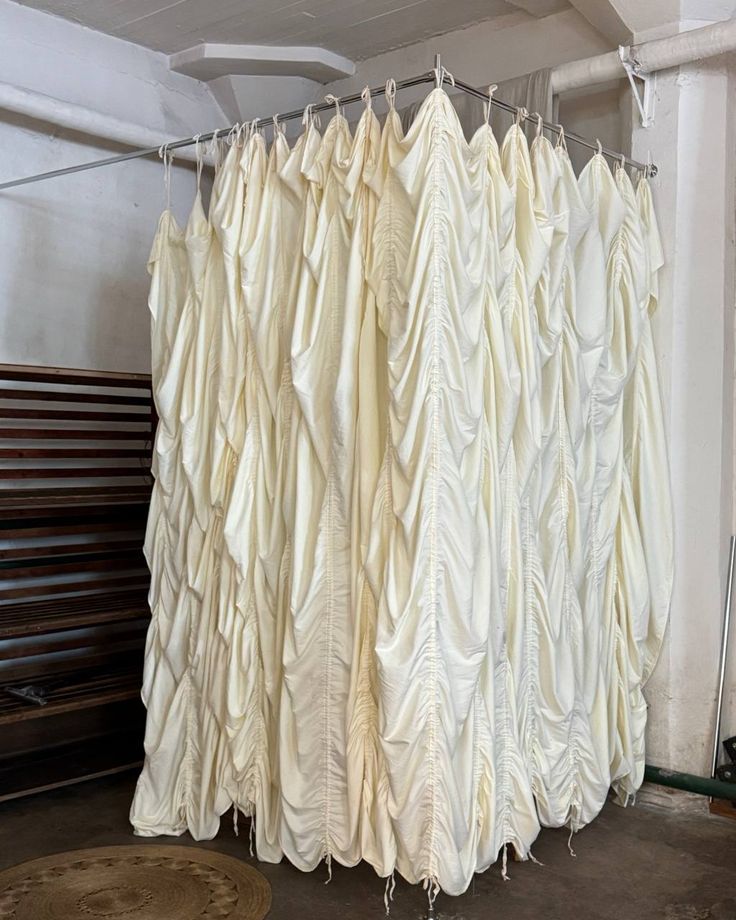
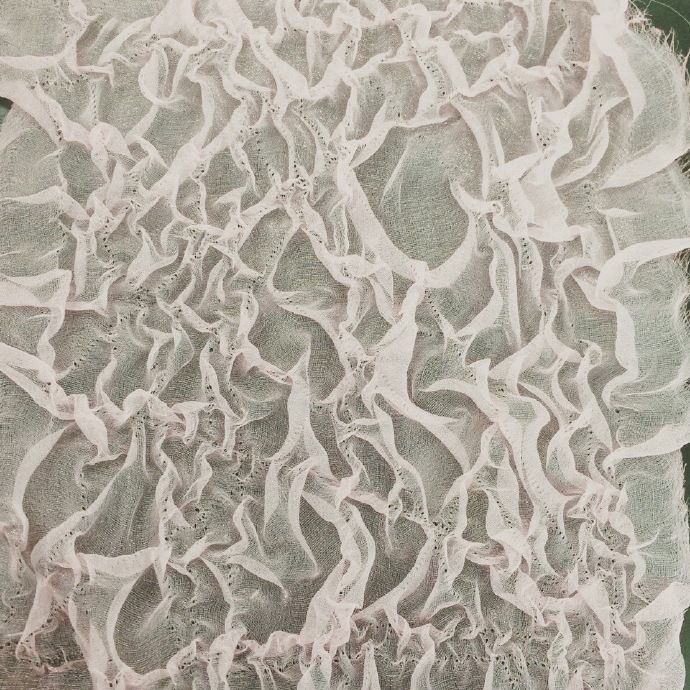
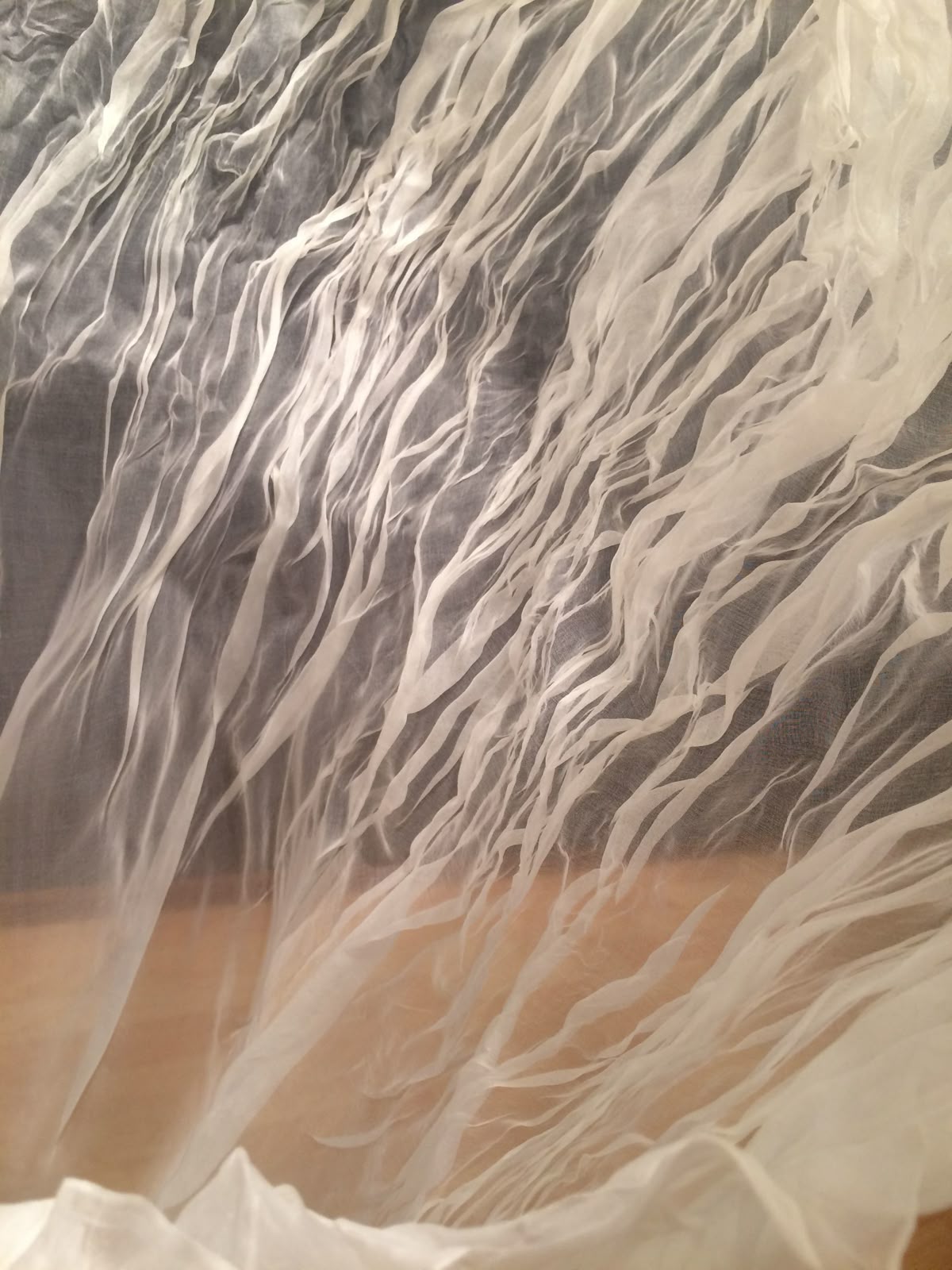
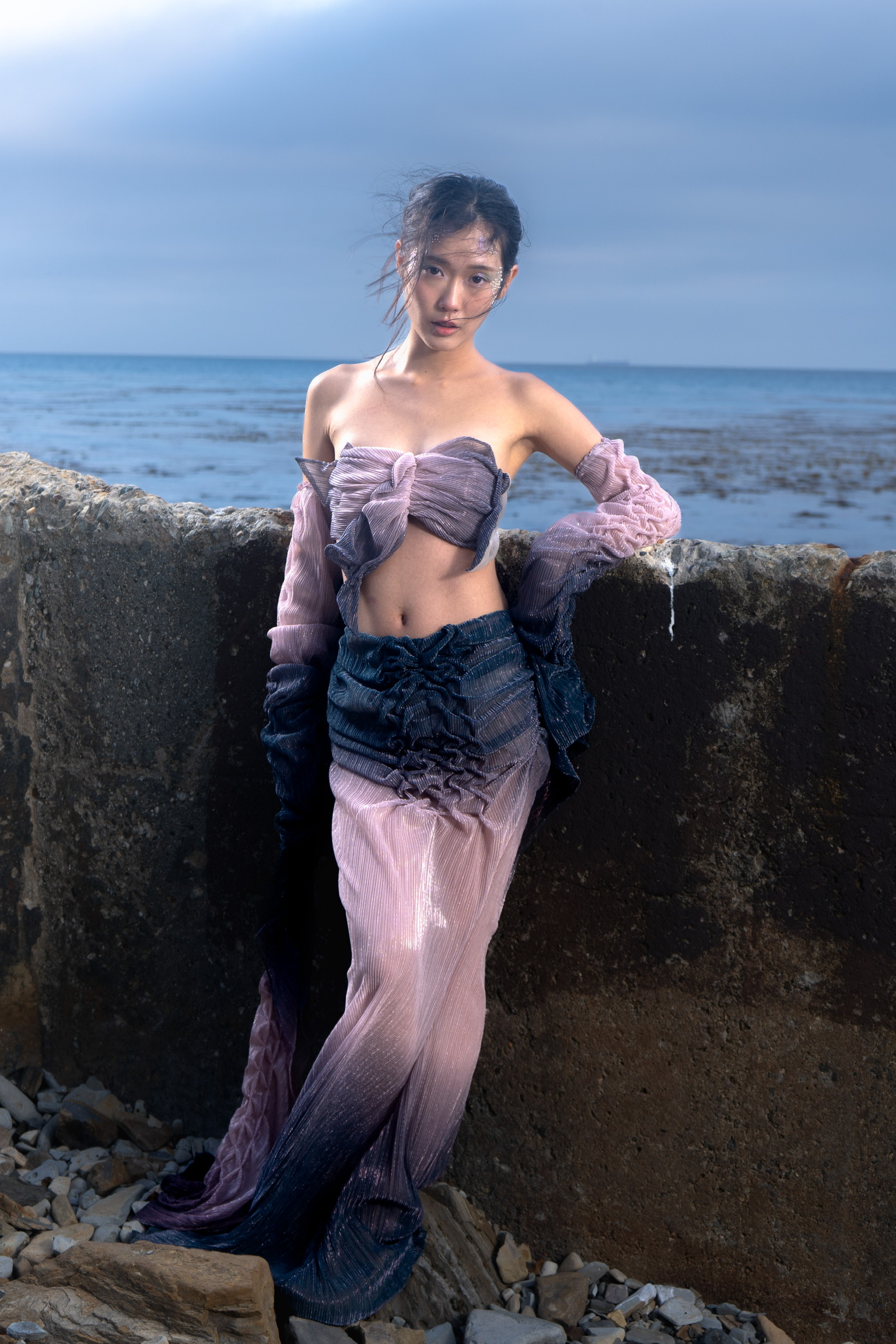
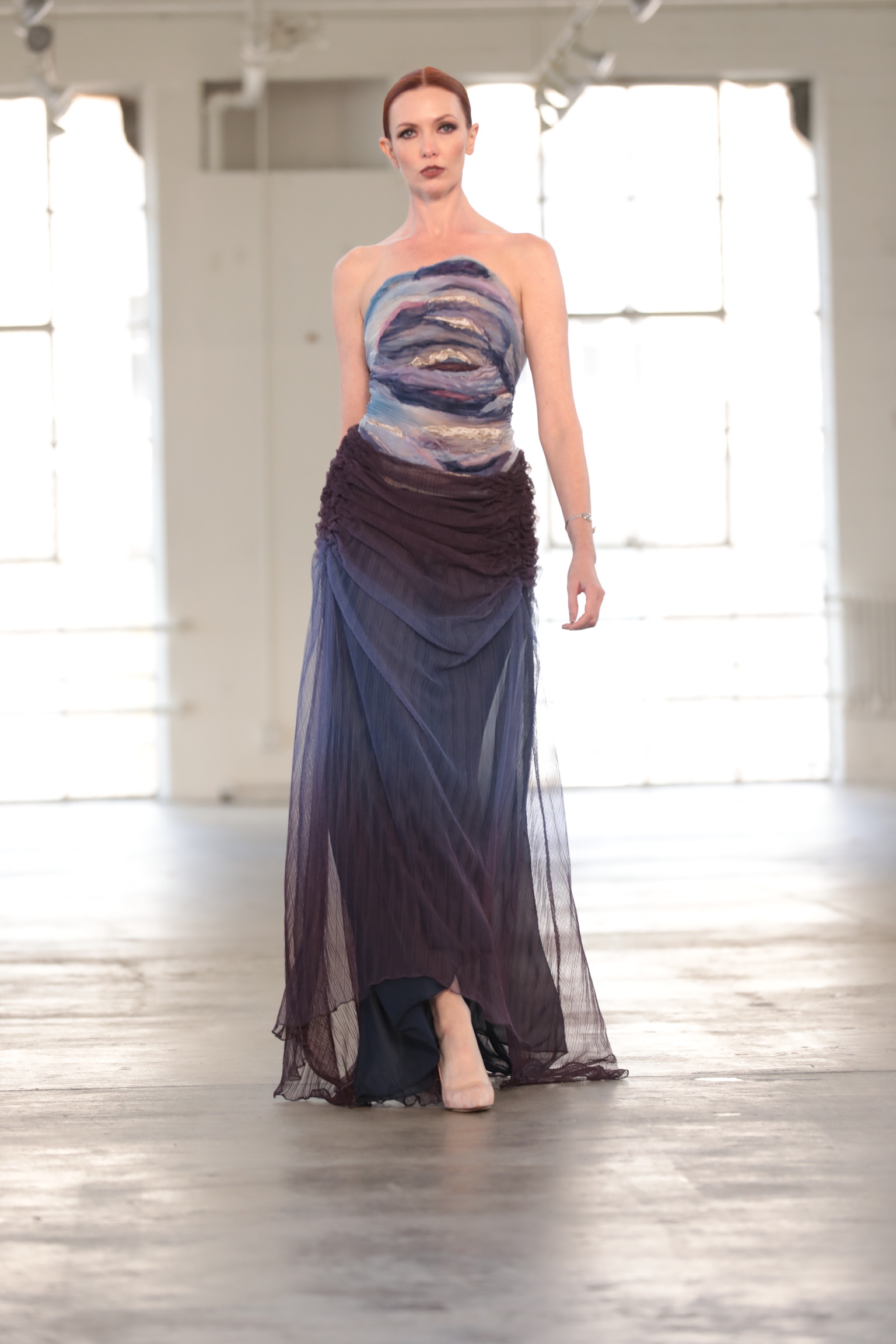
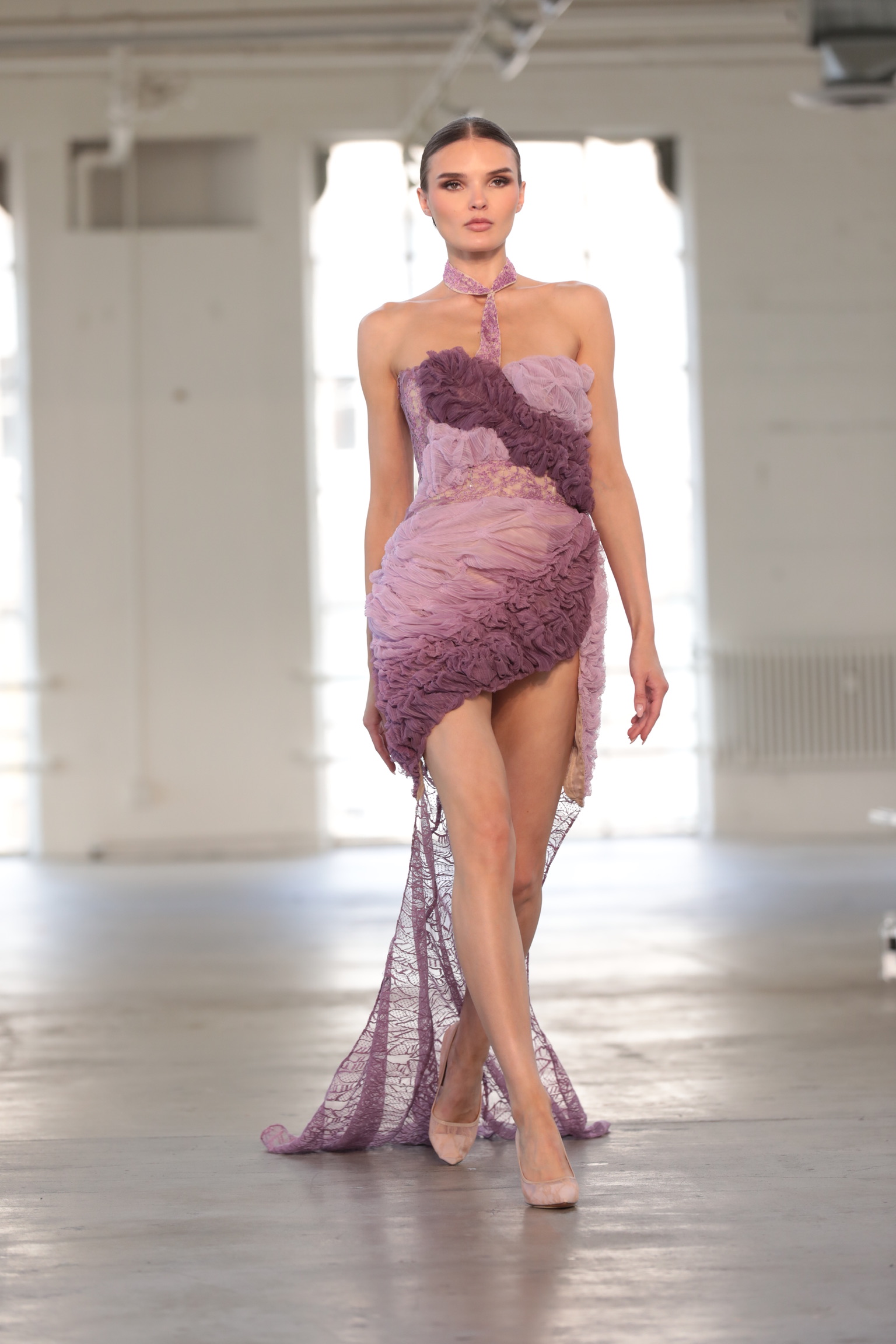
If transparency reveals how a garment is made, drapery reveals how it lives on the body. Sheer materials rarely behave as rigid forms; instead they respond to gravity, motion, and air. Their lightness allows fabric to gather, collapse, and reform continuously as the wearer moves. The garment becomes less a fixed structure and more a shifting composition of folds, tension, and release.

Because transparent fabrics expose their own construction, the maker must design with both structure and movement in mind. Seams cannot simply hold fabric together—they must guide how the material falls. A seam placed a few centimeters higher or lower can determine whether a fold cascades softly across the body or collapses awkwardly. In this sense, construction becomes choreography: the maker directs the path that fabric will take as it responds to motion.

Drapery has long been associated with femininity, but this relationship is not purely symbolic. It emerges from the physical behavior of cloth. Lightweight fabrics tend to follow the contours of the body rather than resist them. They emphasize curves, gesture, and subtle shifts in posture. When the body moves, the garment responds immediately, creating a dialogue between form and motion. In translating these ideas into clothing, I wanted the garment to encourage wearers to embrace their femininity, vulnerability, and desires without apology. Fashion becomes a tool for exploring identity rather than simply decorating the body.

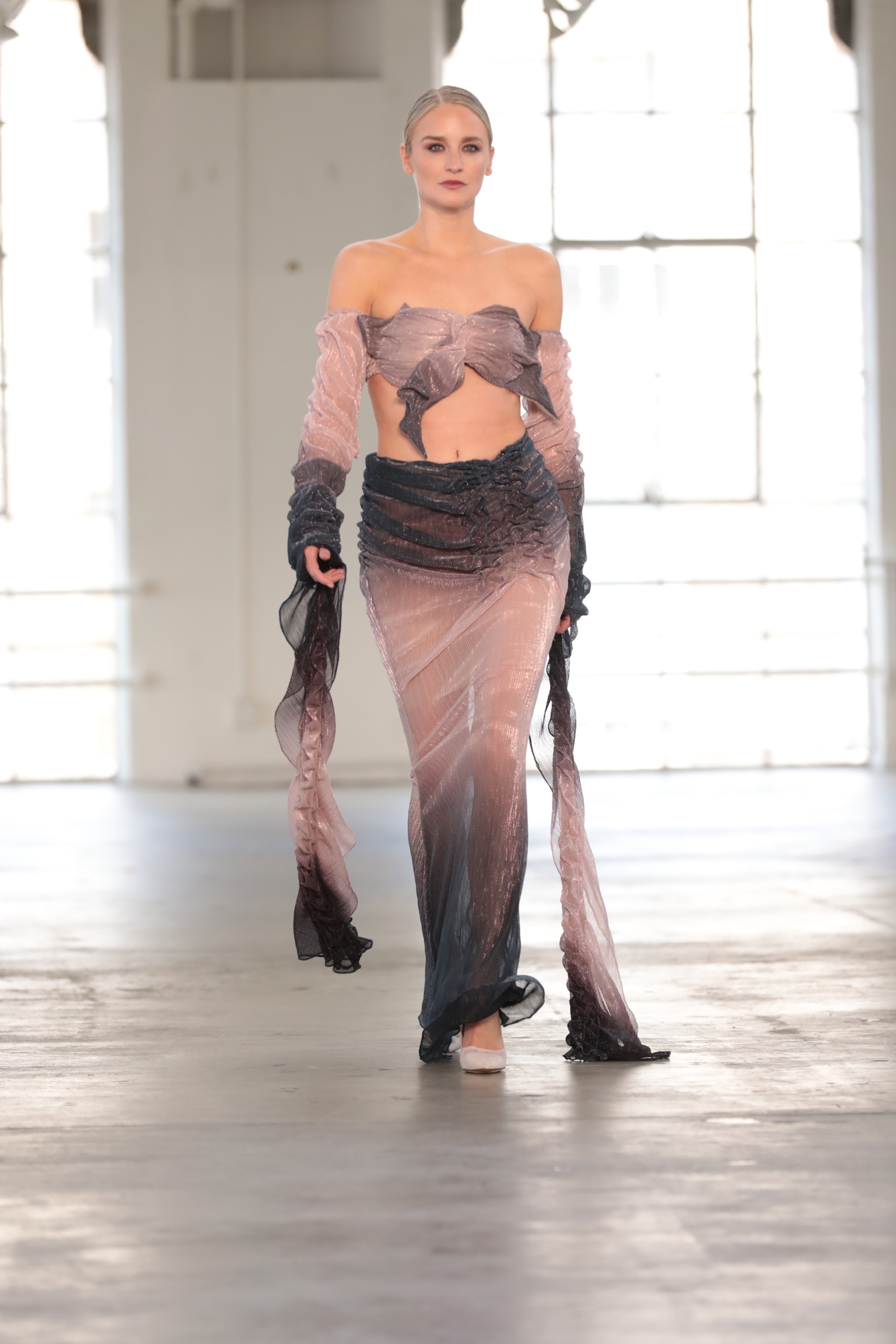
Transparency intensifies this relationship. Because the body remains partially visible beneath the garment, the viewer experiences both the garment and the wearer simultaneously. Fabric becomes a filter rather than a barrier.

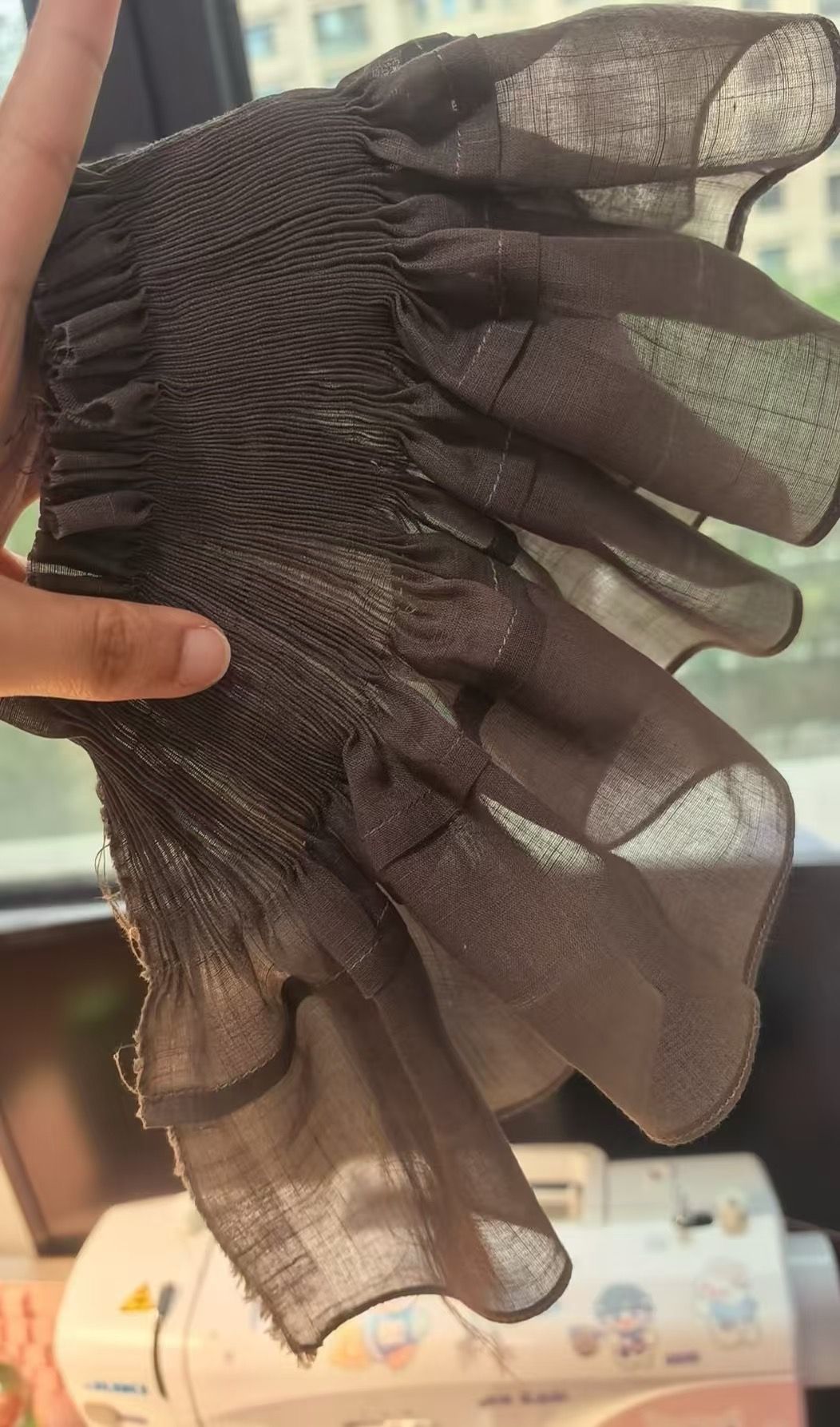
Transparency demands a different kind of attention in the act of making. Unlike opaque materials that can conceal structure, seams, or adjustments, sheer fabrics reveal everything. Every stitch, fold, and construction decision remains visible, refusing the possibility of disguise. For this reason, working with transparency requires a heightened level of care. The maker must approach the garment with an awareness that the interior and exterior exist simultaneously—that what lies beneath will inevitably become part of the garment’s final appearance.

Because of this visibility, transparency requires a discipline that extends beyond aesthetics. Precision becomes essential. When a fabric allows light to pass through it, even the smallest irregularities in construction become noticeable. Uneven stitching, excessive bulk, or poor finishing techniques cannot be hidden. Instead, the maker must slow down and consider each step carefully, allowing construction to unfold with patience. The garment develops gradually, shaped through small acts of attention that accumulate into a cohesive form.

In this way, transparency alters the relationship between craftsmanship and visibility. Rather than allowing construction to disappear behind a finished surface, it invites the viewer into the process of making. Seams become part of the visual language of the garment. Edges, facings, and internal structures transform into subtle design elements rather than hidden mechanics. The garment becomes less about masking labor and more about honoring it. Each decision—where to place a seam, how to finish a hem, how to anchor delicate fabric without disrupting its movement—must be resolved with clarity and intention.

SERENITY
Collection 1
*Click anywhere to continue